
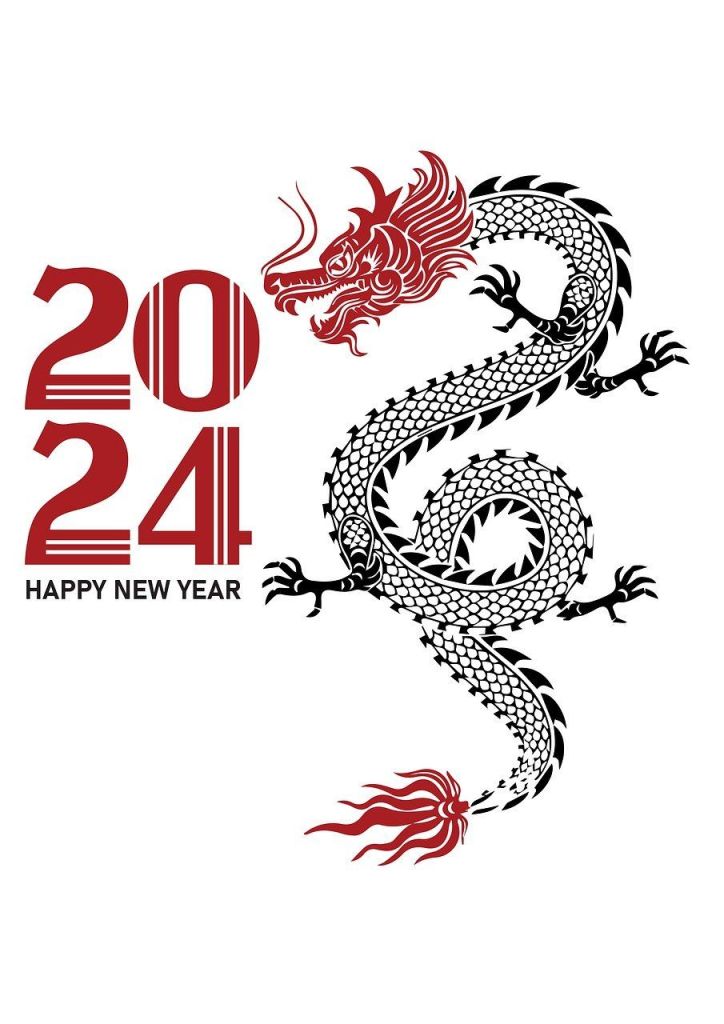
Introduction:
As the world ushers in the Year of the Dragon in 2024, Chinese communities worldwide are gearing up for the vibrant and culturally rich celebration of the Chinese New Year. This auspicious occasion is more than just a date on the calendar; it is a time of family reunions, joyous festivities, and the anticipation of good fortune.
The Year of the Dragon:
In the Chinese zodiac, each year is associated with one of the twelve animals and five elements, creating a 60-year cycle. The Year of the Dragon is considered particularly auspicious, symbolizing strength, courage, and good luck. People born in the Year of the Dragon are believed to be ambitious, charismatic, and destined for success.
Preparations and Cleaning:
Days leading up to the Chinese New Year are marked by meticulous cleaning and decoration of homes. Families believe that this practice helps sweep away bad luck and make room for good fortune to enter their lives. Red lanterns, symbolic of prosperity, and intricate paper cuttings with traditional patterns adorn streets and households, creating a festive atmosphere.
Reunion and Feasting:
Central to the Chinese New Year celebration is the reunion dinner held on the eve of the Lunar New Year. Families gather from near and far to share a sumptuous feast that includes symbolic dishes with auspicious meanings. Dumplings, spring rolls, and fish are common additions, each representing good luck, wealth, and abundance.
Fireworks and Dragon Parades:
Fireworks and dragon parades are integral to the Chinese New Year festivities. The loud sounds of firecrackers are believed to ward off evil spirits, while dragon dances bring luck and prosperity. These mesmerizing parades, featuring vibrant dragons snaking through streets, captivate onlookers and add a touch of magic to the celebrations.
Traditional Practices:
In addition to the lively customs, traditional practices like offering prayers at temples, giving and receiving red envelopes (hongbao) filled with money, and wearing new clothes for the occasion continue to be observed. These rituals symbolize respect for ancestors, sharing prosperity, and starting the new year with a fresh beginning.
Global Celebrations:
Chinese New Year is not confined to China; it is celebrated across the globe. Chinatowns in major cities become vibrant hubs of activity, showcasing the rich tapestry of Chinese culture. Parades, performances, and cultural exhibitions allow people from diverse backgrounds to join in the festivities and appreciate the beauty of Chinese traditions.
Conclusion:
As we welcome the Year of the Dragon in 2024, Chinese communities worldwide are united in their celebration of a cultural heritage that spans centuries. The Chinese New Year is a time to reflect on the past, cherish family bonds, and look forward to a future filled with prosperity and good fortune. May the Year of the Dragon bring joy, success, and happiness to all!
 The Celebration Blog
Leave a comment